

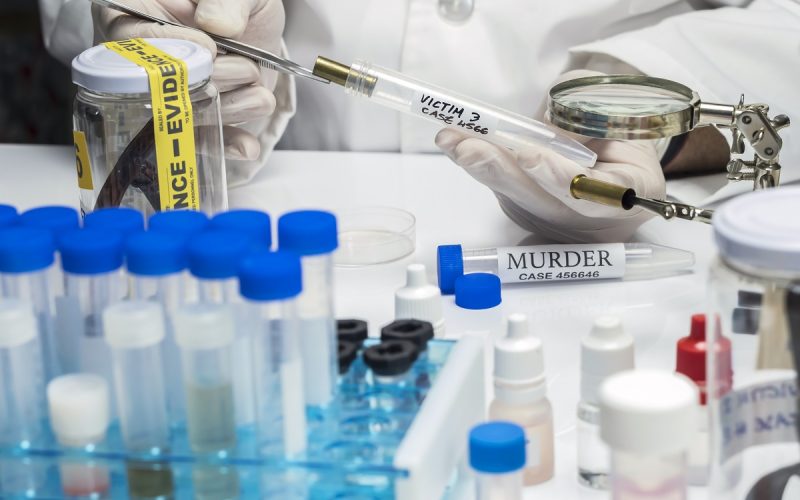
Forensic experts are vital to court decisions, offering detailed insights into evidence and defendants’ mental states. Their contributions shape outcomes and bridge the gap between science and law. While ethical challenges occasionally arise, the field of forensic psychology continues to be a cornerstone of the justice process.
The Role of Forensic Experts in Criminal Investigations
 Forensic experts use advanced techniques to analyze evidence such as DNA, fingerprints, and digital data. Their findings help reconstruct crime scenes and provide critical courtroom testimony.
By simplifying complex scientific data, they help jurors understand and interpret evidence. Specialties like DNA analysis and ballistics employ unique methodologies, and collaboration between forensic experts, detectives, and prosecutors is crucial to case success.
Clear communication about the strengths and limits of evidence is fundamental throughout the process.
Gathering and Preserving Evidence
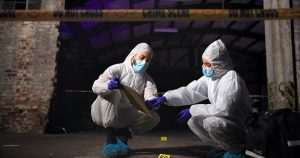
The strength of a criminal case often hinges on how evidence is collected and preserved. Proper techniques and secure storage are essential to maintaining its integrity. Mishandling—even minor—can jeopardize an entire investigation.
- Scene Integrity and Chain of Custody: Maintaining the crime scene and meticulously documenting the chain of custody are foundational in forensic work. The chain of custody ensures evidence is tracked from collection to courtroom presentation, preventing tampering or mismanagement. Precise documentation, such as using angled lighting when photographing shoeprints, preserves the credibility of findings.
 Innovative Tools for Evidence Collection: Emerging technologies like drones and 3D scanners are transforming forensic investigations. Drones provide aerial perspectives, while 3D models enable virtual inspections without disturbing evidence. These advancements reduce contamination and support a more thorough analysis.
- Challenges in Evidence Handling: Risks such as contamination or environmental damage are ever-present. Prompt processing and proper storage, such as drying wet items to avoid degradation, help minimize these risks. Training law enforcement personnel further enhances the reliability of evidence handling.
Analyzing Forensic Evidence
Forensic analysis demands precision from collection to courtroom presentation. Preventing contamination, storing materials properly, and documenting every detail strengthens the credibility of findings. Peer-reviewed analyses and robust documentation ensure that evidence withstands scrutiny.
- DNA and Biological Analysis: DNA analysis has revolutionized criminal investigations with techniques like STR profiling and mitochondrial DNA testing. Despite challenges like degraded samples, advancements continue to expand the capabilities of biological evidence.
- Digital Forensics in Modern Crimes: Digital forensics plays an increasingly critical role in combating modern crimes. From smartphones to servers, digital devices hold vital information. With cybercrime on the rise, even minor traces can carry significant investigative value.
- Pattern and Trace Evidence: Fingerprints, shoeprints, and other pattern evidence provide key connections between suspects and crime scenes. Techniques like fingerprint analysis and handwriting evaluation have long aided law enforcement. While risks of false positives exist, expert interpretation helps validate findings.
Testifying as an Expert Witness
In court, forensic experts bridge the gap between technical findings and legal arguments by presenting evidence clearly and concisely. Visual aids like graphs and charts are often used to simplify complex data for jurors. Mock trials and rigorous preparation ensure experts can answer questions confidently and persuasively.
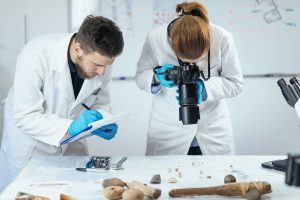 Preparing for Courtroom Testimony: Forensic experts must present findings clearly while staying composed under pressure. Tools like visual aids make data more accessible to jurors, while mock trials prepare experts for the challenges of courtroom questioning. Adhering to established standards like Daubert and Frye builds credibility.
- Cross-Examination Challenges: Cross-examinations often test the reliability of forensic evidence. Opposing attorneys may focus on potential errors or limitations. By maintaining composure and relying on documented findings, experts can effectively defend their conclusions.
Ethical Responsibilities of Forensic Experts
Ethics are the backbone of forensic science. Objectivity is critical, as is avoiding exaggeration or personal bias. Transparent documentation of methods and acknowledgment of limitations build trust and credibility in the justice system.
Explore Forensic Insights
Forensic science plays a pivotal role in solving criminal cases, from DNA analysis to digital forensics. As technology evolves, staying informed is vital for adapting to new challenges in the field.
For more in-depth articles and expert perspectives, visit Law Insider Daily for the latest updates shaping forensic and legal practices.
